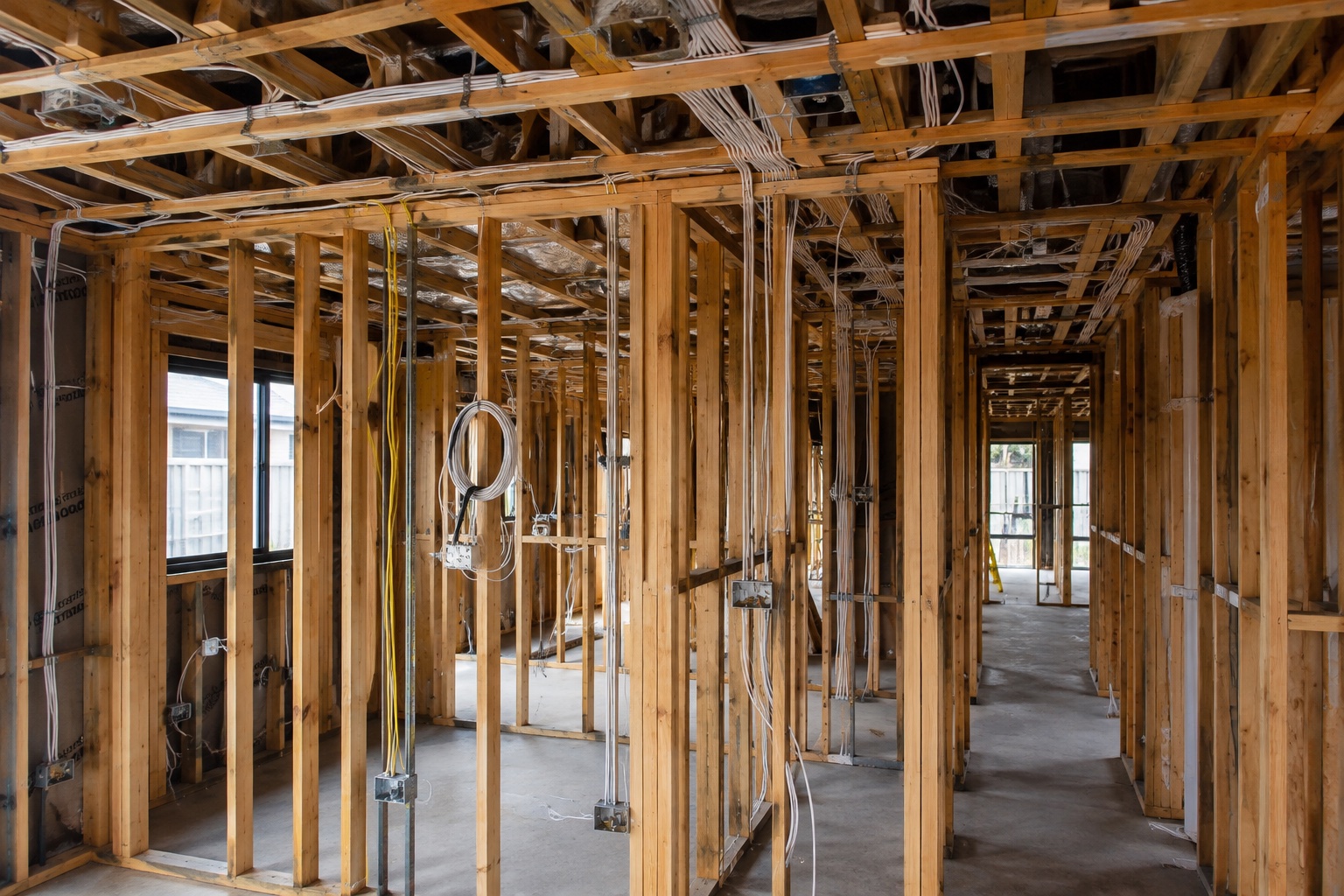
Power points, lighting, ceiling fans, rewires and renovation work for homes and units across Melbourne. That covers everything from swapping one faulty switch to stripping out an old fuse box and rewiring a whole weatherboard from the roof cavity down. We work alongside builders and renovators on extensions and kitchen or bathroom upgrades, and we are just as happy fixing the one flickering light that has been bugging you for months. Every job gets a proper test before we pack up — not just a quick flick of the switch.
- Switchboard upgrades
- Downlight & LED installs
- Smoke alarm compliance
- Renovations & extensions
- Power points & USB outlets
- Ceiling fans & exhaust fans
Call 0432 520 620 or send through the details — usually a same-day written quote.
Get a QuoteCommon questions
Yes — in Victoria, any fixed electrical work, including a single new power point, has to be carried out by a licensed electrician and signed off with a Certificate of Electrical Safety, the paperwork Energy Safe Victoria requires for prescribed electrical work. It is not just red tape either; DIY wiring behind a wall or under a floor is a genuine fire and shock risk, and an unlicensed job can void your home and contents insurance entirely if something goes wrong later, even years down the track. We are a Registered Electrical Contractor (REC 36000), so every job — no matter how small — comes with that paperwork done properly, giving you a record on file if you ever sell the place or need to make an insurance claim.
A single room or a handful of new circuits is usually a day, sometimes less. A full rewire depends heavily on the house itself — a three-bedroom weatherboard with accessible roof and subfloor space is normally three to five days, while a brick veneer home with no underfloor access can take longer, since we are chasing cable through walls instead of running it through open space. We will walk the job with you first, look at access, and give you a proper written timeframe before we start — not a guess over the phone. Patching and painting after we chase cable through plaster is usually a separate trade, and we will flag that upfront too.
Yes, that is most of what we do. Renovation electrical work almost always happens in two visits — a rough-in once framing is up and before walls are lined, where we run all the cable and set the position of every point, switch and downlight, and a fit-off once the plaster is painted, where we install switches, power points and light fittings and test everything. We work directly with the builder or project manager rather than needing you to relay messages, and we will adjust our dates if the build runs behind, which reno jobs often do.
Either way works for us. A lot of clients prefer to pick their own light fittings, fans and switch plates for the look they want, and we are happy to install anything you supply as long as it is compliant gear suited to an Australian switchboard. If you would rather not shop around, we can supply standard fittings, downlights, fans and switches ourselves and include them in the quote. The only thing we always supply ourselves is the cable, switchboard components and anything that needs to meet a specific safety standard, since that is on us to certify.
It depends on what the wiring actually is, which is exactly why we inspect before telling anyone to rip everything out. A lot of older Melbourne weatherboards still have fabric or rubber-insulated cabling from the 1950s to 1970s, and that insulation becomes brittle with age, especially in a hot roof cavity, which raises the risk of a short or a fire over time. If it is isolated to a section that is easy to access, we can sometimes replace just that circuit rather than the whole house. If it runs through the roof and under the floor throughout, a full rewire is usually the more sensible long-term option. Either way we will show you what we find and explain the actual risk, not just recommend the most expensive option.
It can, if it is done with the wrong fittings or the insulation is not cleared properly, which is a genuine issue in older Melbourne homes that have had insulation topped up over the years without much thought for what sits around the downlights. We use IC-rated fittings that are designed to sit safely in contact with insulation, and where a fitting is not IC-rated we fit a proper clearance guard around it so batts cannot bunch up against a hot globe. We also check what is already in the ceiling before we start, since we sometimes find old fittings from a previous job that were never installed to standard.